

Where Wiz began
The idea did not start in a boardroom.
It started in the gap between what a payer returned and what a clinic team actually needed to know.
One operating beliefBring the answer back to the EMR.
A note from the founder
“We wouldn't have gone from 13% margin to 20% without it.”
Mansoor bought a physical therapy clinic in 2018 and grew it to seven locations in El Paso. At one clinic, the front desk was a person he trusted. At seven, it was a revolving door. Three months to train someone, six months before they left, and every departure started it over. In between came the eligibility mistakes, the wrong estimates, the denials, and the patient balances nobody collected.
He built Wiz to stop it, and ran it across all seven locations. Net margin went from 13% to 20%. Physical therapy runs around 15% as a rule. When you sell a clinic, you are paid a multiple of that number, and a buyer came.
The clinics were sold. The tool stayed.
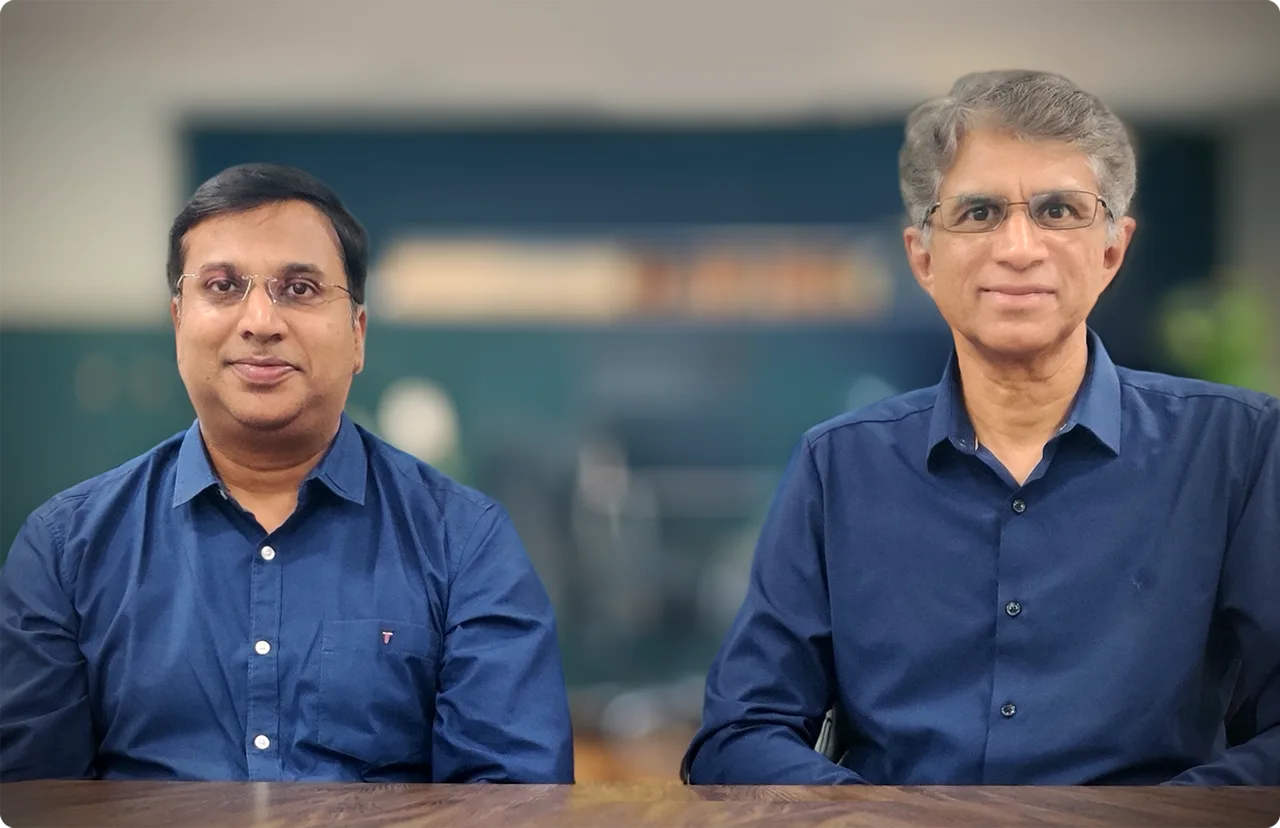
The founders
Two operators. One shared view of the problem.
Clinic experience and healthcare infrastructure experience, working side by side.

The operator view
The problem showed up before care did.
After years owning multi-location therapy practices, the founders kept watching the same work pile up at the front desk: benefits to interpret, authorizations to chase, patient amounts to calculate, and answers scattered across payer portals.

The builder view
The technology already knew how to do more.
Mansoor had built insurance automation before. Narayan had spent decades building and operating healthcare infrastructure. Together, they saw a way to turn fragmented payer work into one dependable workflow that could meet clinic teams where they already work.

The promise
Give the front desk an answer, not another system.
Wiz was designed to run selected pre-visit work, resolve the routine cases, make exceptions obvious, and return the useful result to the EMR. The goal has always been practical: less chasing for staff and more confidence for patients.
What we believe
The best healthcare automation does not ask clinic teams to become software operators. It quietly finishes the work, explains what needs attention, and gives people back the time to care for patients.
Our operating principles
Keep the work honest. Keep the outcome human.
Operator truth
Start with the work as it really happens.
Every workflow begins with the realities of a therapy clinic—not an abstract software diagram.
Useful automation
Finish the routine work. Surface the exception.
Automation should reduce interpretation and hand back a usable answer, not create another inbox.
Human confidence
Make the next conversation easier.
Clear benefits, authorization status, and patient amounts help staff and patients move forward together.